

Pakistan has finalized a landmark military export agreement worth over $4 billion with the Libyan National Army (LNA), marking one of the largest conventional arms deals in its defence export history.
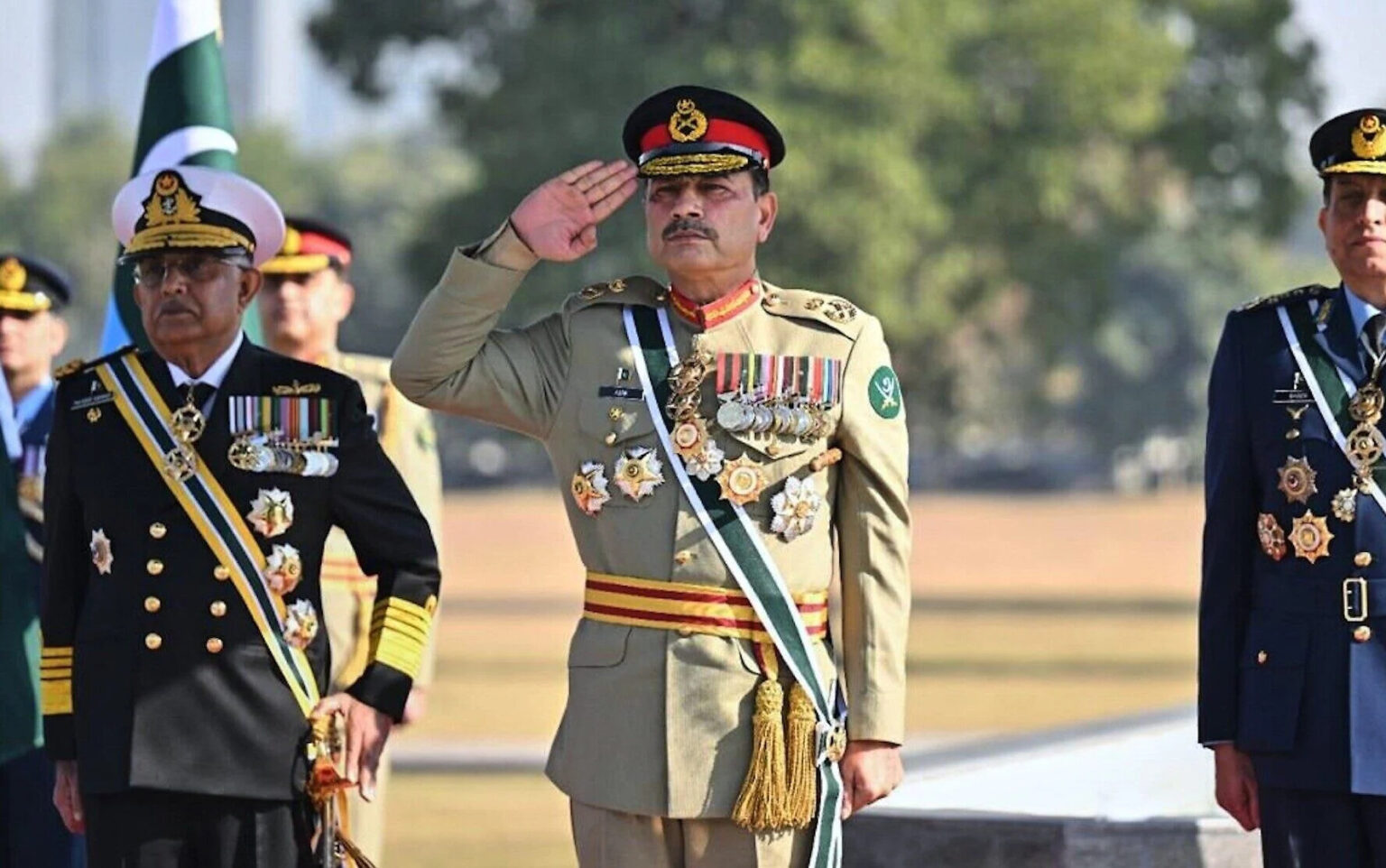
The deal was sealed following high-level talks last week in Benghazi, where Pakistan’s Chief of Army Staff, Field Marshal Asim Munir, met with Saddam Khalifa Haftar, deputy commander-in-chief of the LNA.
Scope & Components of the Deal
According to multiple defence sources and pre-finalisation documents reviewed by Reuters:
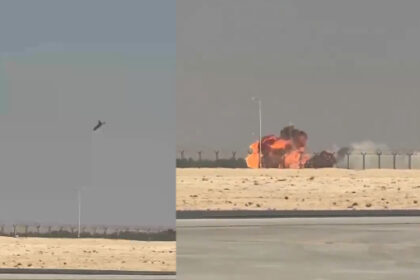
- The agreement includes combat and training aircraft such as JF-17 Thunder multirole fighters and Super Mushak trainer aircraft.
- Delivery of land, air, and sea equipment is expected over a 2½-year cycle.
- Valuation estimates range from $4 billion to $4.6 billion depending on final asset counts and equipment mix.
Strategic Significance
Pakistani officials describe the agreement as a historic milestone in defence exports, aligning with national policy to cultivate an export-driven, self-sustaining economy and expand Islamabad’s footprint in global defence markets.
The pact reportedly extends beyond weapons sales, encompassing joint training programmes and co-development/manufacturing efforts between Pakistan and the LNA.
Geopolitical & Legal Context
Libya has been subject to a United Nations arms embargo since 2011, which nominally restricts the transfer of military hardware without UN approval. Officials from Islamabad contend that the embargo has been largely ineffective and that several states have continued arms transfers to various Libyan factions.
However, analysts warn that any high-profile arms agreement with the LNA could draw international scrutiny, given Libya’s long-running internal conflict and dual governing authorities the UN-recognised Government of National Unity in the west and the LNA in the east and south.
Regional Dynamics
The deal comes amid evolving security partnerships between Pakistan and Gulf states, including recent defence cooperation with Saudi Arabia and Qatar. It also follows Pakistan’s efforts to market its homegrown platforms like the JF-17 to international buyers, carving out a space in competitive military export markets.
What’s Next: Implementation details, delivery timelines, and any required compliance steps with international legal frameworks (including UN mechanisms) will be focal points as the agreement moves into the operational phase.