

Meta Platforms Inc. has begun testing a controversial feature that restricts how often creators and business Pages can share external links on Facebook unless they subscribe to the company’s paid Meta Verified service. The experiment signals a potential shift in how the social network monetizes distribution and creator tools.
Paid Link Sharing: What’s Being Tested
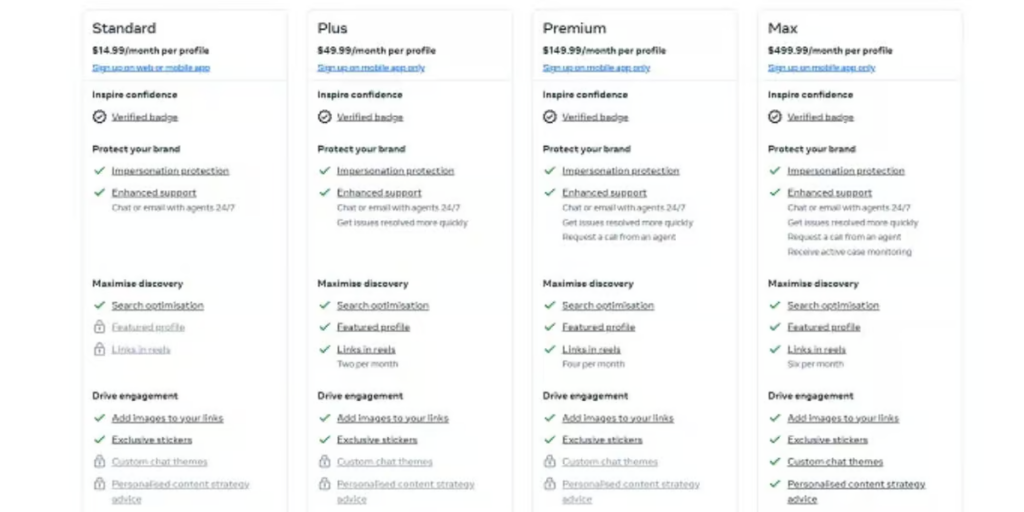
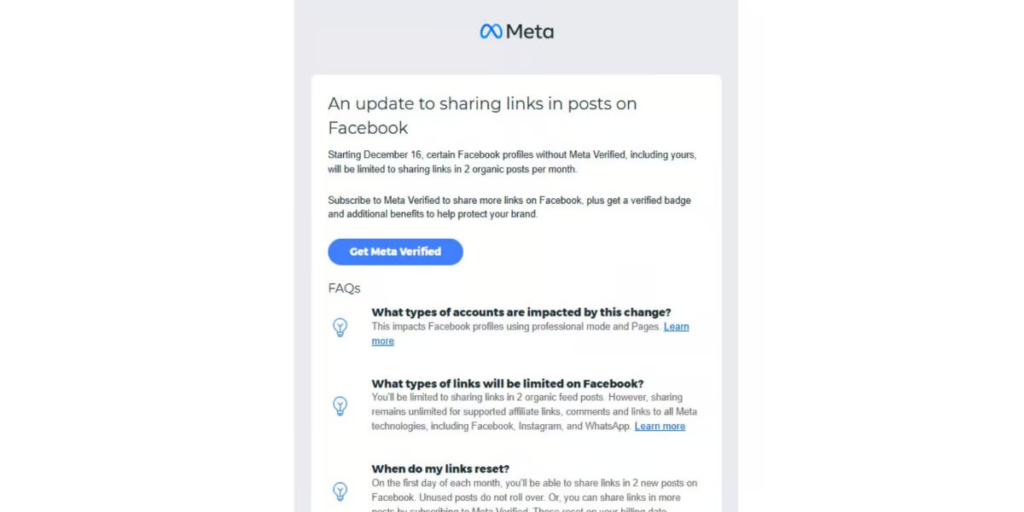
According to multiple reports, select Facebook profiles using Professional Mode and Facebook Pages have received notifications indicating an enforced limit on link posts. Non-verified accounts are currently being capped at approximately two external links per month in organic posts. To exceed this limit or to post unlimited links users must subscribe to Meta Verified, a subscription tier that starts at roughly $14.99 per month (or roughly Sh 1,940 in some markets).
Meta’s official statement frames the move as a limited test, aimed at assessing whether additional link-sharing capabilities add value to a subscription tier. The company confirmed the experiment to outlets including TechCrunch, clarifying that the test scope remains narrow and limited to certain account types.
Impact on Creators and Businesses
External links have long been fundamental for creators and small businesses using Facebook to drive traffic — whether to blogs, online shops, newsletters, YouTube channels, or affiliate content. Restricting link posts to a hard monthly cap effectively puts the basic act of pasting a URL behind a paywall, with direct implications:
- Traffic generation could become cost-prohibitive for micro-creators and startups without verified subscriptions.
- Content planning may need strategic adjustments to prioritize Meta platforms (e.g., Instagram, WhatsApp) where link restrictions currently don’t apply.
- ROI models for social media strategies will change if non-verified accounts can no longer use Facebook as a reliable traffic source.
Industry analysts describe this shift as part of Meta’s ongoing monetization pivot — away from open distribution toward subscription-led revenue. One expert noted that, if this initiative becomes standard, businesses that rely on web traffic from Facebook will have to “pay, adapt, or diversify away from Facebook.”
Broader Context: Facebook’s Link Ecosystem
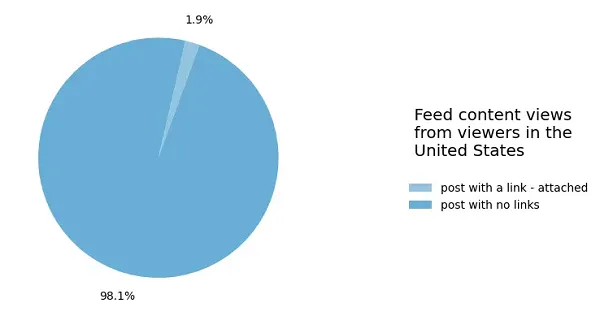
This test arrives amid a broader trend where major social platforms deprioritize external links in favor of native content formats. Meta’s own transparency data indicates that over 98% of feed views in the U.S. come from posts that don’t include links, suggesting that link posts have already been de-emphasized algorithmically.
At the same time, Meta has been expanding subscription products like Meta Verified, which bundle features such as verified badges, enhanced support, and improved search visibility. The addition of link posting privileges to this lineup underscores Meta’s attempt to build recurring revenue outside of traditional advertising.
Limitations and Next Steps
Meta has emphasized that this is not a platform-wide rollout and currently excludes traditional news publishers from the test group. It also clarified that posts can still include links in the comments section without counting toward the limit.
However, if the company expands the test or makes it permanent, the implications for SEO, referral traffic, and digital marketing strategies could be significant — particularly for regions where Facebook remains a major acquisition channel.