
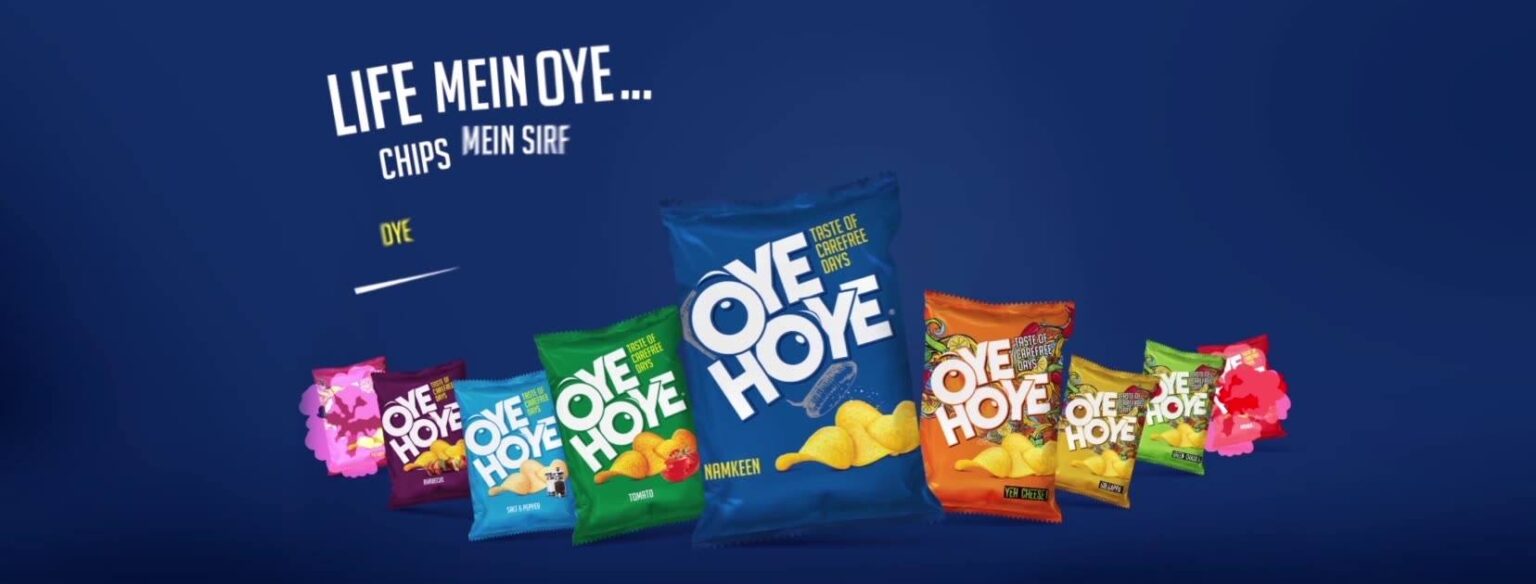


Launched by United Snacks in early 2016, Oye Hoye entered Pakistan’s snack food landscape with bold ambitions. The brand targeted youth, offering six (later more) flavors — Salt, Barbecue, Tomato, Salt & Pepper, Masala, Cheese — and promising a “lighter side of life.”
From the start, Oye Hoye stood out: its marketing was energetic and distinctive, with colorful packaging (matte-finish bags, considered trendy), a quirky mascot “Oochi,” and mainstream appeal backed by high-profile advertising featuring a celebrity face. As one early article described, the brand “greatly promises a lighter side of life.”
For a time, Oye Hoye was seen as a credible challenger to established players.
Signs of strain: Quality, distribution & competition
Despite strong branding, underlying problems soon surfaced. According to market research reports, the main issues were around “placement” — in other words, distribution and supply-chain gaps — rather than lack of awareness.
One frequently cited technical flaw was the matte packaging. While visually appealing, many said it failed under Pakistan’s hot climate — chips in some batches reportedly went stale before they reached remote stores.
At the same time, other brands — both legacy and newer — maintained more consistent distribution networks, and continually released new flavors/variants that resonated with local tastes. For consumers, novelty and assured shelf-availability began to outweigh initial excitement about Oye Hoye’s style.
Additionally, some analyses point toward financial mismanagement or lack of long-term vision at United Snacks. High marketing spend without stable operational fundamentals, lack of sufficient “rainy-day” reserves, and weak retailer incentives reportedly contributed to declining availability and shrinking shelf presence.
Decline and fade-out: From shelf-flagship to near-vanish
By around 2021, many retail audits and consumer surveys began to report a severe drop in Oye Hoye’s presence in shops — in some areas, it vanished completely. Market research studies focusing on youth preferences showed that the dominant brand (Lay’s) retained over 75% share among consumers, while Oye Hoye lost momentum.
Observers summarizing the fall say that while Oye Hoye “had the style,” it lacked the “substance” — marketing cannot substitute for consistent quality, reliable distribution, and product differentiation.
As of now, though the brand technically remains registered under United Snacks, its prominence and market-footprint are minimal; many consumers consider it “discontinued.”
Lessons from Oye Hoye — What went wrong, and what it means for Pakistani FMCG
- Packaging ≠ Preservation — Attractive matte design drew attention, but heat-resistance and freshness are crucial in the Pakistani climate.
- Distribution matters more than ads — Even strong branding fails if the product never reaches stores.
- Sustainable growth needs financial resilience — Heavy upfront marketing without “rainy-day” buffers can collapse under pressure.
- Differentiation must go beyond style — In a crowded market, continuous product innovation and local taste-adaptation matter for retention.
- Legacy brands still dominate — Established players with robust supply-chains and brand loyalty create high barriers for new entrants.