
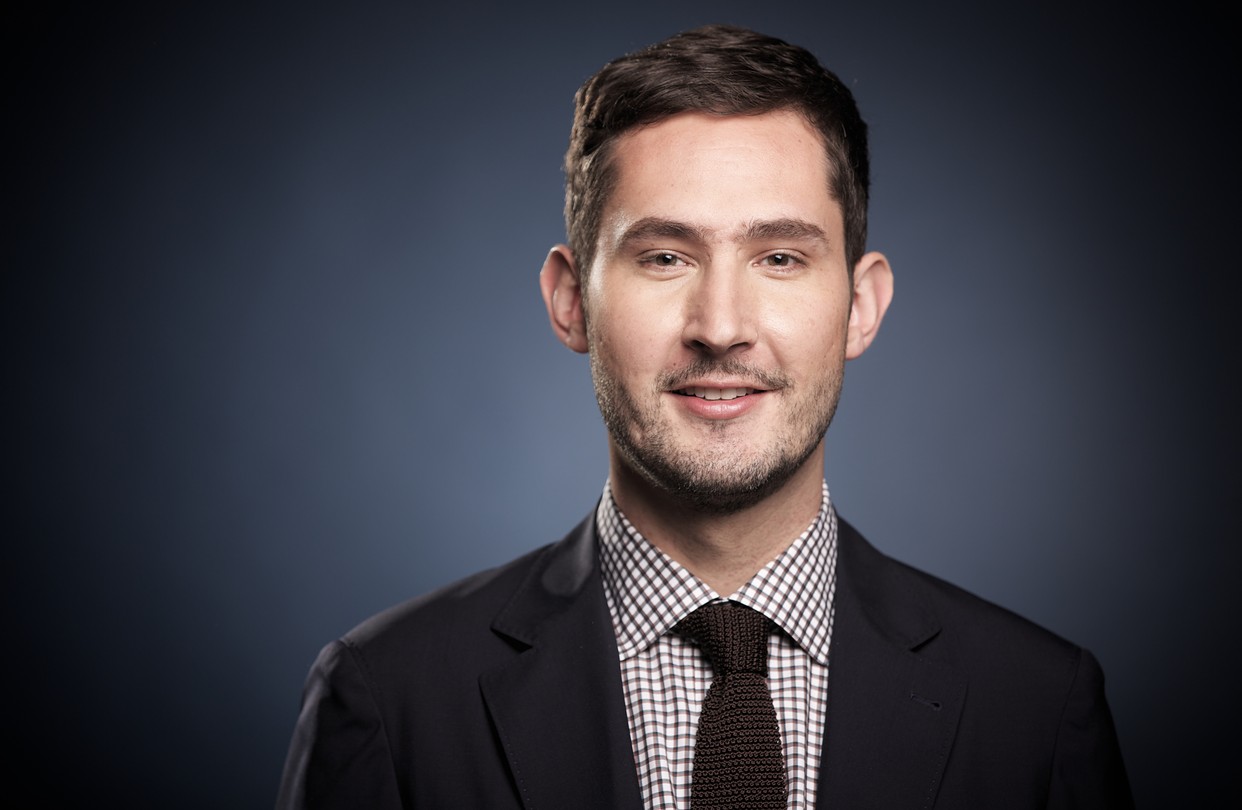


Instagram CEO Adam Mosseri has publicly signalled a strategic pivot toward generative artificial intelligence as a defining element of content on the platform acknowledging that AI‑generated visual and video media are increasingly central to Instagram’s future ecosystem.
Rapid Expansion of AI‑Generated Media
In a year‑end post and accompanying commentary shared across Threads and Instagram, Mosseri described how advances in generative AI are reshaping content creation. He noted that creators are already using AI tools for image generation, video editing, background replacement, animation, and visual effects, and this trend is expected to grow substantially. The platform is preparing for a “rapid increase” in synthetic media across feeds, Stories, and Reels as AI continues maturing.
Mosseri argued that the default user assumption that an image or video reflects a real captured moment is no longer valid in a landscape where AI can produce lifelike media from prompts. This marks a fundamental shift in how Instagram defines content authenticity and trust.
Platform Response and Execution Strategy
Instagram plans to integrate clear labelling of AI‑generated content within posts, building on Meta’s broader synthetic media transparency efforts. The platform is investing in detection systems to identify AI content even when attempts are made to strip metadata or evade identification. However, Mosseri conceded that over time these detection efforts may struggle to keep pace with AI quality improvements, making it increasingly challenging to distinguish real and synthetic content.
To address this, Instagram’s roadmap includes:
- Labeling and transparency tools for synthetic versus authentic content.
- Credibility signals that highlight original creators and provide more context about account ownership.
- Ranking adjustments that elevate originality and creator‑specific signals over purely algorithmic or generative outputs.
Authenticity as a Competitive Signal
Despite the shift toward AI content, Mosseri emphasised that authenticity — especially “raw” and unpolished real media — will increase in value. As AI becomes capable of mimicking even imperfect aesthetics, the bar for distinguishing genuine human creativity will rise from simply generating content to producing unique, creator‑specific outputs.
He even suggested that future mechanisms like cryptographic signing at image capture may be necessary to establish a verifiable chain of custody for real media, reflecting the broader industry challenge of documenting provenance in a synthetic age.
Implications for Creators and the Platform
This strategic pivot has several implications:
- Content creators may increasingly leverage AI tools for efficiency and experimentation, but must emphasise uniqueness to avoid blending into a sea of generative content.
- Authenticity and trust metrics could become primary differentiators as user skepticism grows regarding what is real on social media.
- Moderation and classification challenges will intensify as AI quality improves, forcing Instagram to evolve its infrastructure and policy frameworks.
Overall, Instagram’s CEO positions AI as both an opportunity and a structural challenge: generative technologies will drive significant transformation in how content is produced, surfaced, and interpreted on the platform — and the company’s strategy is adapting accordingly.