
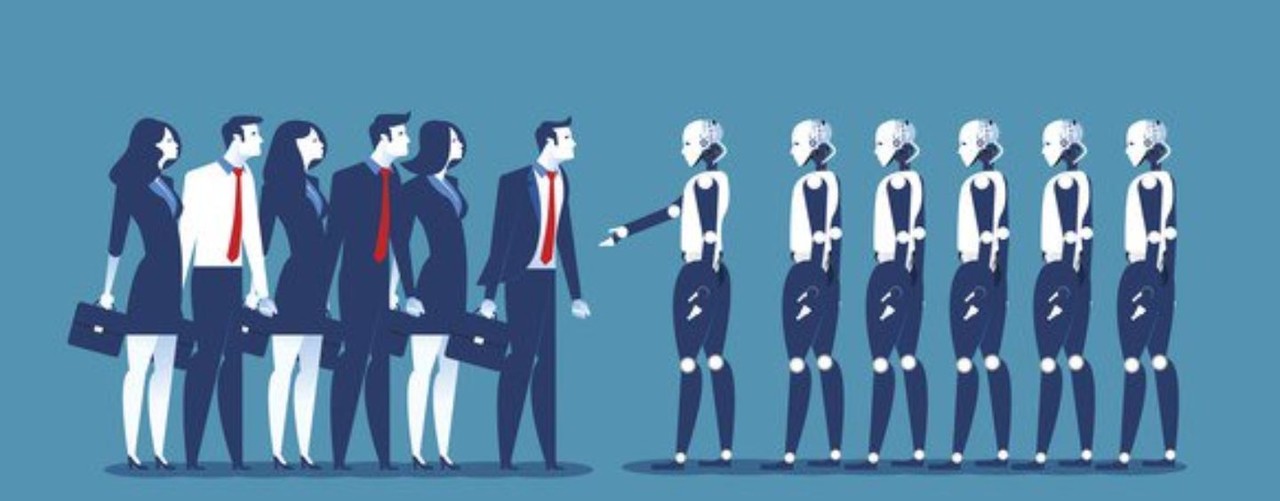


The rollout of advanced artificial intelligence technologies is increasingly being recognised as a transformational force across productivity, labour markets and pricing systems. While the dominant narrative highlights AI’s potential to reduce inflation through efficiency gains, more nuanced economic research shows that AI can, under certain conditions, create new inflationary pressures. For a structurally constrained economy like Pakistan’s reliant on imports, energy sensitive production, and uneven labour markets these risks deserve close attention.
How AI Can Drive Inflation
1. Algorithmic Pricing and Faster Cost Pass-Through
AI-driven pricing systems allow firms to monitor demand, costs and competitor behaviour in real time. Research from the London School of Economics notes that this reduces traditional “price stickiness,” meaning supply shocks or cost increases translate into price hikes much faster than before.
This faster pass-through makes inflation more responsive — and more volatile.
2. Labour Market Disruption and Wage Dynamics
AI substitutes heavily for routine and administrative labour. As displacement occurs, wage growth may stagnate for impacted workers. However, AI-intensive sectors may simultaneously experience wage inflation due to skilled labour shortages.
The result: wage bifurcation, causing uneven cost pressure across industries and contributing to inflation in high-skill clusters.
3. Demand Spurts vs Supply-Side Productivity
Bank for International Settlements (BIS) and ECB research show that when firms anticipate AI-driven productivity in the future, they often undertake early investment and expansion.
This front-loaded investment increases demand before full productivity gains arrive — pushing inflation temporarily higher.
4. Sectoral Effects and Structural Lags
AI’s impact is uneven across sectors. If productivity gains occur heavily in consumer-facing industries, prices may fall. But if gains remain in upstream or capital-intensive sectors, inflationary pressure may persist longer in consumer goods markets.
This mismatch shapes how quickly AI converts into price stability.
Why “Coming Inflation” From AI Is Plausible
- AI adoption is still in its early phase.
Early deployment increases costs (compute, training, hiring specialists) without immediately delivering productivity benefits. - Short-term demand spikes and restructuring increase cost pressure.
As Pakistan’s businesses invest in automation, capital expenditure rises faster than efficiency improvements — shifting inflation upward in the near term. - Structural constraints amplify inflation risks in Pakistan.
Pakistan’s supply chain vulnerabilities, import dependency (especially on technology and energy), and labour-market rigidities mean AI-related shocks may intensify price pressures rather than reduce them. - Demand could outpace supply gains.
If consumers and businesses anticipate AI-driven growth, aggregate demand may rise before AI’s productivity dividends materialize — raising inflation in the interim.
Implications for Pakistan
Imported Technology & Energy Costs
AI requires powerful computing hardware, most of which is imported. Rising global demand for GPUs and high energy consumption for AI workloads can create cost-push inflation domestically — especially as Pakistan faces persistent energy cost volatility.
Labour Displacement and Skills Shortage
Automation could depress wages in low-skill sectors while rapidly increasing wages for scarce AI-aligned skills, contributing to inflation in tech-enabled industries.
A failure to reskill the workforce risks raising business costs and reducing output growth simultaneously.
Monetary Policy Challenges
The State Bank of Pakistan (SBP) already grapples with volatile inflation and exchange rate pressure.
AI-driven shocks — faster price pass-through, higher compute costs, rapid investment cycles — require faster and more responsive policy tools than legacy inflation models.
Opportunity for Disinflation—If Managed Correctly
If Pakistan successfully integrates AI across logistics, supply chains, retail and manufacturing, productivity gains could reduce costs and dampen inflation over the medium to long term.
But this outcome depends heavily on infrastructure upgrades, energy reliability, compute accessibility, and skills development.
Risks to Watch
Automated Price Coordination
AI-based pricing tools may unintentionally synchronize prices across firms, increasing inflation persistence. This risk has been highlighted in regulatory research due to reduced competitive slack.
Mismatch Between Productivity and Wages
If AI increases productivity only in certain sectors while wages rise unevenly, inflation could emerge through higher consumer costs and persistent structural imbalances.
Delayed or Ineffective Policy Response
AI-driven inflation can emerge faster than traditional monetary policy frameworks anticipate. A slow response from policymakers risks embedding inflation expectations in households and businesses.
Supply Chain & Energy Constraints
AI deployments demand stable, high-quality energy and reliable import channels. Any disruptions or global price shocks for compute hardware translate directly into higher domestic production costs.
Policy Recommendations for Pakistan
1. Invest in Skills & Infrastructure
Reskilling programs for data engineering, machine learning operations, and automation technologies are essential to avoid labour displacement and unlock productivity gains.
2. Monitor Algorithmic Pricing and Competition
Regulators must track AI-based pricing for signs of coordinated behaviour or excessive pass-through speeds that amplify inflation.
3. Update Monetary Policy Models
The SBP should incorporate AI-related pricing dynamics, faster supply-shock transmission, and wage bifurcation into forecasting tools.
4. Improve Public Communication
Clear messaging on AI’s dual effects — cost reduction vs disruption — helps anchor inflation expectations.
AI is neither purely inflationary nor purely deflationary. Its impact depends on diffusion speed, sectoral adoption, labour adaptation, and national economic structure.
For Pakistan, the potential for short-term inflation is real driven by input costs, rapid price adjustments, labour transitions and sectoral imbalances.
However, if policymakers and industries manage the transition proactively — investing in skills, competition safeguards, infrastructure and forward-looking regulation — AI can ultimately become a disinflationary force, improving productivity and reducing long-term price pressures.
Pakistan’s challenge is not to fear AI-driven inflation, but to prepare for it strategically and position the economy to benefit from AI’s long-term efficiency gains.