

In the rapidly evolving world of Artificial Intelligence, a Pakistani startup is making global waves. Vyro.ai, led by CEO Ahmed Abubakar, has grown into a generative AI powerhouse, generating approximately $25 million in Annual Recurring Revenue (ARR) and amassing over 150 million downloads worldwide
Headquartered in Islamabad with a team of over 150 people, Vyro.ai’s flagship product, Imagine Art, has become a “one-stop shop” for AI content creation, competing directly with global giants . However, the story behind this success is one of immense personal tragedy, grit, and the relentless pursuit of education.
Humble Beginnings and Early Struggles
Ahmed Abubakar’s journey began in Karachi. Due to his mother’s illness, the family briefly moved to a village near Sargodha, where a young Ahmed faced cultural adjustments and bullying. Upon returning to Karachi, financial difficulties mounted. His father worked as a taxi driver, often struggling to make ends meet.
At the age of 13, Ahmed convinced his father to start a water delivery business. He would skip typical teenage activities to deliver water tanks to flats in Gulistan-e-Johar, learning early lessons in sales and communication.
“I remember the first day… I told my father, ‘I want to do this with you; I don’t want to sit at home.'” — Ahmed Abubakar
A pivotal moment occurred in 2008 when his mother passed away. Devastated but motivated by the loss, Ahmed transformed his academic life. He went from a B-grade student to a high achiever, strictly scheduling his days and “signing” his own daily timetables to ensure he never lied to himself about his effort. He eventually earned admission to NED University, graduating with a 3.94 GPA while working tuition jobs to support his education.
The Birth of Vyro.ai
The family eventually moved to Islamabad following the tragic death of Ahmed’s older sister from brain cancer. Ahmed, working at the AI firm Afiniti, encouraged his younger brothers, Zain and Abdullah (now co-founders), to study Computer Science at NUST.
The brothers began experimenting with app development in 2019. Their breakthrough came during the COVID-19 pandemic. Working out of a small house, they developed a background changer app.
The turning point was their first taste of consistent revenue. Ahmed recalls the joy of reaching $50 a day, which signaled that their business was viable. By 2021, Google recognized their potential, partnering with them as they scaled to millions in revenue.
The Pivot to Generative AI: Imagine Art
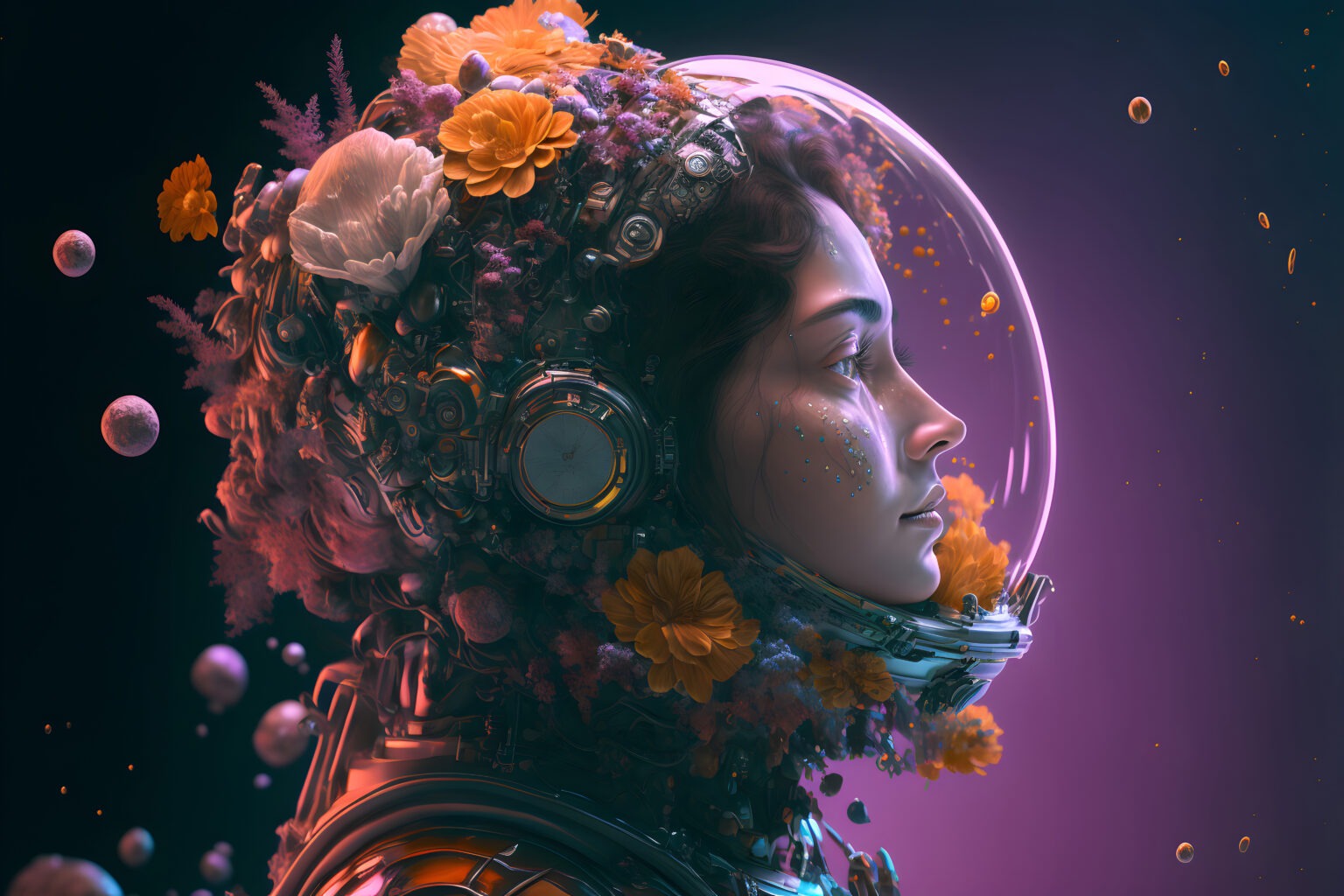
In late 2022, realizing that the future lay in Generative AI, the team pivoted to build Imagine Art, a text-to-image platform. They launched just as the AI boom began, scaling from $1 million to $10 million ARR in a single year.
Today, Imagine Art allows users to generate images, videos, and music. It has found massive success globally, with 50% of its revenue coming from the United States. The platform creates nearly 1 million images daily and is used by students at top institutions like Oxford and Stanford.
Strategy: The Application Layer
Ahmed’s strategy focuses on the “application layer” of AI. While foundational model companies (like OpenAI or Midjourney) build the underlying technology, Vyro.ai focuses on user experience and specific workflows.
By building “mini-apps” and workflows within Imagine Art, they solve specific user problems—such as creating consistent characters or editing videos—that raw models often struggle to address efficiently. The company is now expanding into B2B markets with collaborative team plans for creative agencies.
Future Vision
Despite being profitable and bootstrapped, Vyro.ai is currently in the process of raising funds to build a global brand and acquire high-level talent from Silicon Valley. Ahmed aims to grow the company’s revenue to $100–150 million in the coming years.
Ahmed views education as the “greatest equalizer” in Pakistan, proving that intelligence and grit can overcome a lack of resources or land ownership.
"If you have education, vision, and work hard... the sky is the limit." — Ahmed Abubakar
Through Vyro.ai, Ahmed and his brothers are not just building a company; they are dismantling the glass ceilings often placed on Pakistani potential, proving that world-class technology can be built from Islamabad