

Iraq has publicly signalled keen interest in procuring Pakistan’s JF-17 Thunder multirole fighter jets, marking another potential export customer following recent defence discussions with Bangladesh. Iraq’s military engagement with Pakistan escalated during a high-level visit by Pakistan Air Chief Marshal Zaheer Ahmed Baber Sidhu to Baghdad, where he met with Iraqi Air Force Commander Lt Gen Mohanad Ghalib Mohammed Radi Al-Asadi to strengthen bilateral military cooperation.
praised the Pakistan Air Force’s professionalism and technological capability and explicitly expressed interest in JF-17 Thunder fighter jets along with Pakistan’s Super Mushshak trainer aircraft. Broader discussions also covered joint training, capacity building and operational interoperability initiatives.
This Iraqi interest follows recent indications that Bangladesh is evaluating the potential procurement of JF-17 jets–alongside Super Mushshak trainers and long-term technical support–as part of expanding defence cooperation with Pakistan.
Context: JF-17 Export Trajectory
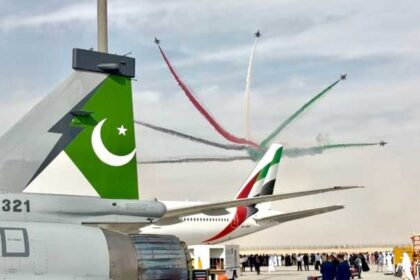
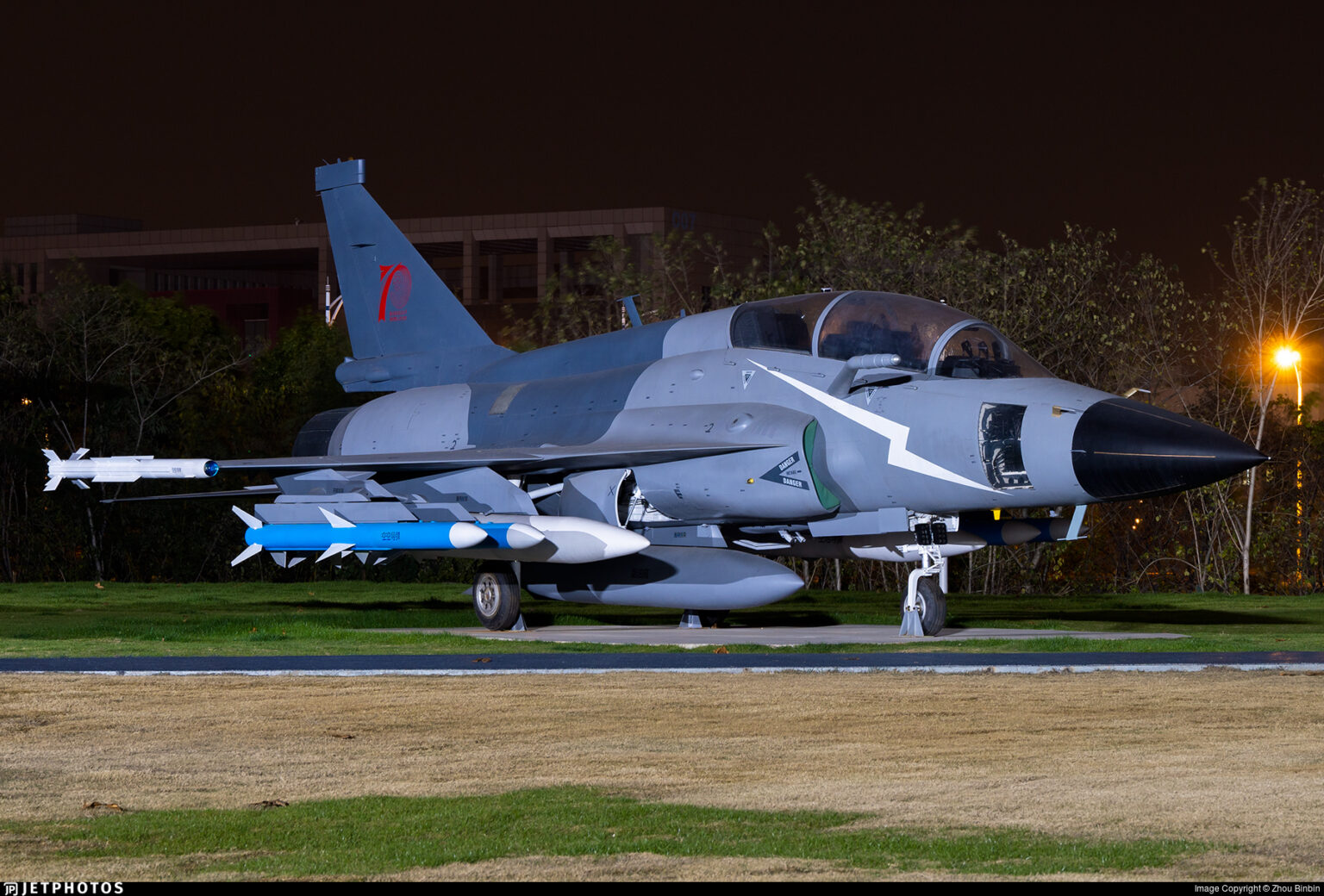
The JF-17 Thunder, co-developed by Pakistan Aeronautical Complex (PAC) and China’s Chengdu Aircraft Corporation (CAC), is a lightweight, single-engine combat aircraft marketed for air-to-air and air-to-ground operations. Pakistan’s defence outreach has recently targeted multiple international markets. At the Dubai Airshow 2025, Pakistan signed a memorandum of understanding for a JF-17 procurement with a “friendly country” and showcased the aircraft to various delegations, underscoring its export ambitions.
Prior export contracts include deliveries to Azerbaijan, which has integrated the JF-17 into its air force, illustrating the platform’s growing footprint.
Strategic and Operational Drivers
Iraq’s expressed interest occurs amid broader regional dynamics where nations seek to modernise air capabilities with cost-effective platforms. The JF-17’s relatively low acquisition and sustainment costs, combined with Pakistan’s emphasis on training and support, appeal to air forces with constrained budgets and immediate capability needs.
Pakistan’s active defence diplomacy–linking training cooperation, capacity building, and potential sales–suggests a multipronged export strategy designed to leverage existing diplomatic engagements into defence procurement agreements across Asia and the Middle East.