
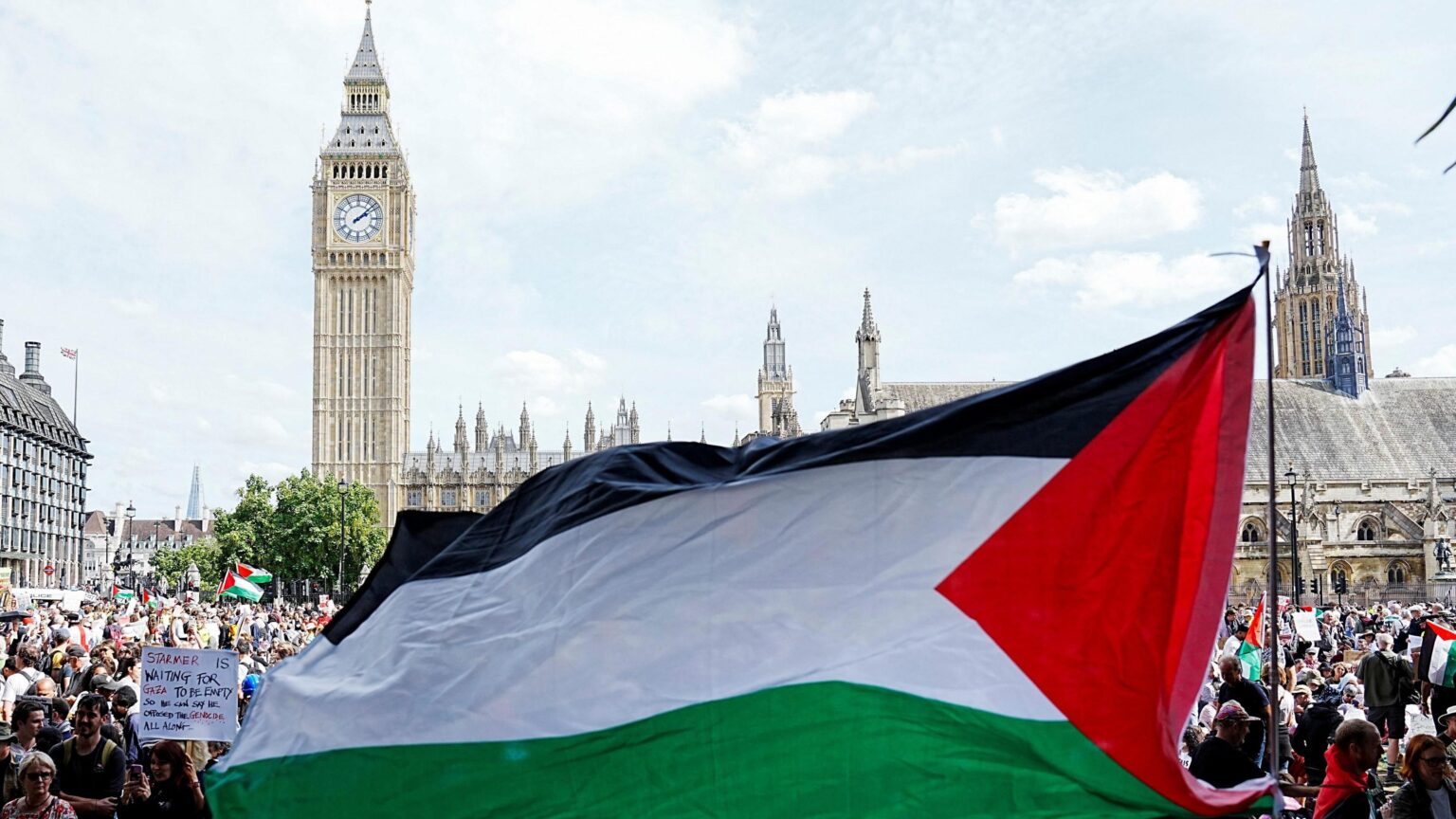


In a landmark diplomatic shift, the governments of Canada, Australia and the United Kingdom have officially recognised the State of Palestine, a move hailed by many as a historic step toward resolving one of the world’s most protracted conflicts.
The coordinated announcements, made by the three governments on Saturday, mark a decisive change in Western foreign policy. While several European and Latin American countries have already recognised Palestine in the past decade, the recognition by Canada, Australia and Britain is being viewed as a turning point given their influence in global diplomacy and longstanding alliances with the United States.
A Unified Declaration
In a joint statement, the foreign ministries of the three countries said that recognition of Palestine was “a necessary step to keep the two-state solution alive.” They argued that years of stalled peace negotiations, combined with escalating violence in Gaza and the West Bank, left little option but to take concrete action to advance Palestinian sovereignty.
“The Palestinian people have the right to self-determination, security and dignity, just as Israelis do,” the statement read. “Our recognition of the State of Palestine is a clear affirmation of that right and of our belief that a two-state solution remains the only sustainable path to peace.”
The governments clarified that recognition would be accompanied by expanded diplomatic missions in Ramallah and East Jerusalem, as well as increased humanitarian and development support to Palestinian institutions.
Reaction From Palestine
The Palestinian Authority welcomed the announcements as a long-overdue acknowledgment of Palestinian rights. Palestinian President Mahmoud Abbas, speaking from Ramallah, called the recognition “a courageous and just decision” that would “strengthen the cause of peace, not weaken it.”
“We have waited for decades for our rights to be recognised by the international community. Today, three important nations have taken a step that gives our people renewed hope,” Abbas said.
Officials within Hamas, however, expressed caution, noting that recognition must translate into tangible changes on the ground, particularly regarding Israeli settlement activity, restrictions in Gaza, and security measures in the West Bank.
Israeli Government Response
The Israeli government swiftly condemned the move. Prime Minister Benjamin Netanyahu said the recognition amounted to “rewarding terrorism” and would embolden extremist groups.
“True peace can only come through direct negotiations, not through unilateral recognition,” Netanyahu declared. He accused the governments of Canada, Australia and the UK of undermining Israel’s security and ignoring the “daily threats” faced by its citizens.
Israel’s foreign ministry announced it would summon the ambassadors of the three countries for urgent consultations and hinted at potential diplomatic downgrades in response.
A Break With Washington?
Perhaps the most significant element of the recognition is its divergence from Washington’s long-standing position. The United States, Israel’s closest ally, has maintained that Palestinian statehood should only be granted after a negotiated settlement.
By moving ahead independently, Canada, Australia and the UK are signalling impatience with the stalemate in U.S.-led peace efforts. Analysts say the coordinated step could increase pressure on Washington to re-evaluate its approach, especially as calls grow louder from within Congress to reassess unconditional support for Israel in light of humanitarian crises in Gaza.
Former British diplomat Sir Jeremy Greenstock told the BBC: “This is not about abandoning Israel; it’s about saving the peace process. These governments see recognition as the only lever left to prevent the complete collapse of the two-state solution.”
Domestic Political Calculations
Each country faces unique domestic political contexts behind the decision.
- In the UK, Prime Minister Keir Starmer has faced mounting pressure from both within the Labour Party and the public to take a stronger stance on Palestine. Britain’s historical role in the region, dating back to the 1917 Balfour Declaration and the British Mandate, has long placed it under scrutiny. Recognition is being seen as an effort to “rectify historical responsibilities.”
- In Canada, Prime Minister Justin Trudeau’s government has faced criticism for maintaining what many saw as a cautious and pro-Israel stance. The recognition may help Ottawa rebuild credibility among international partners and domestic constituencies supportive of Palestinian rights, particularly within Canada’s Arab and Muslim communities.
- In Australia, Prime Minister Anthony Albanese’s Labor government has signalled for months that recognition was under active consideration. Canberra’s decision aligns with the Labor Party’s platform, which has supported Palestinian statehood as part of a two-state solution.
International Repercussions
The move has sparked immediate responses across the globe. The European Union said the recognition was a “sovereign decision” of the three countries but noted that more EU states were considering similar steps. Spain, Ireland and Belgium, which have already recognised Palestine, welcomed the announcements.
The Arab League praised the development, calling it “a long-awaited correction of a historical injustice.” Meanwhile, Turkey, South Africa and several Latin American countries said the decision strengthened the legitimacy of Palestine within the international system.
At the United Nations, Secretary-General António Guterres said the recognitions could “create new momentum” toward peace talks if handled constructively.
What Changes on the Ground?
While recognition is largely symbolic, it carries important legal and diplomatic implications. Palestinian representatives in Ottawa, London and Canberra will now be accorded the status of ambassadors rather than envoys. Palestinian passports will be formally recognised, and bilateral agreements can be signed under the framework of state-to-state relations.
However, the recognition does not immediately alter conditions in the occupied territories. Israeli settlement expansion continues, Gaza remains under blockade, and the Palestinian Authority faces internal challenges of governance and legitimacy. Critics argue that without concrete steps to address these issues, recognition may have limited practical impact.
The Road Ahead
Whether this move will revive the long-dormant peace process remains uncertain. The recognition could either push Israel and the Palestinians back to the negotiating table under new dynamics, or it could deepen divisions if Israel continues to resist.
For now, Canada, Australia and the UK are standing by their decision, framing it as a moral obligation as well as a strategic calculation. In the words of UK Foreign Secretary David Lammy:
“Recognition is not the end of the journey; it is the beginning of renewed efforts to secure peace, justice and security for both peoples. The alternative — endless conflict and occupation — is not acceptable to us, nor should it be to the world.”